
Spur Gears: Essential Insights for Industrial Buyers and Engineers
Introduction to Spur Gears
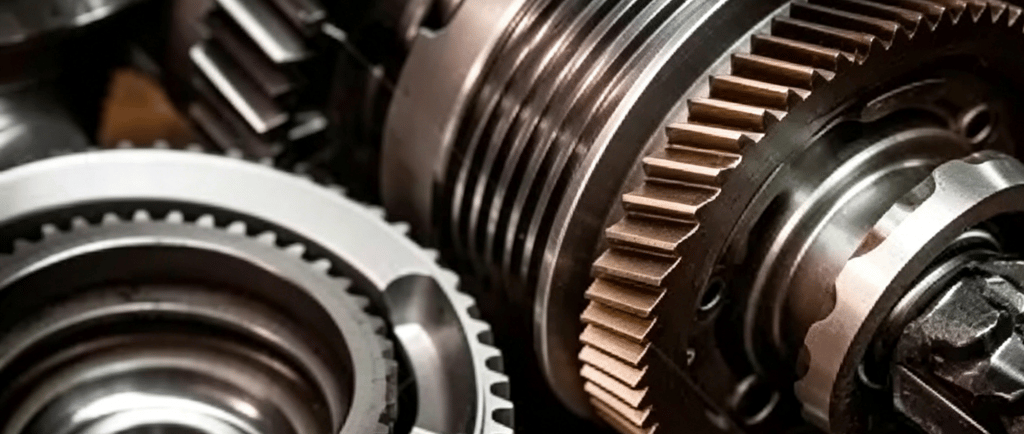
Spur gears are one of the most widely utilized gears in industrial applications due to their reliability and efficiency in power transmission. Their simple design allows them to effectively transmit torque with minimal backlash, making them ideal for a variety of engineering applications. This article provides a comprehensive overview of spur gears, their critical selection factors, and how they compare to other gear types, specifically helical gears and bevel gears.
Key Factors for Selecting Spur Gears
When choosing spur gears, several important criteria must be considered to ensure optimal performance in specific applications. These factors include:
- Module: This is a measure of the tooth size and directly influences the gear's load-carrying capacity. A larger module typically leads to a gear that can handle more torque.
- Pressure Angle: The pressure angle affects the gear's strength and noise level. Common pressure angles are 20 and 14.5 degrees, with the former providing higher efficiency.
- Material: The choice of material is crucial as it dictates the gear's durability. Materials such as steel and aluminum are popular due to their strength and ability to withstand heavy loads.
- Face Width: A wider face width distributes the load over a larger area, improving the gear's strength and reducing the risk of failure under heavy loads.
- Precision Grade: Gears with higher precision are necessary for applications requiring reduced backlash and enhanced efficiency. Manufacturers often categorize precision levels based on ISO standards.
Comparing Spur Gears to Helical and Bevel Gears
While spur gears are highly efficient, it is essential to understand how they compare to other gear types such as helical and bevel gears. Helical gears feature angled teeth that allow for smoother and quieter operation but also result in more complexity in their design and manufacturing. On the other hand, bevel gears are used for changing the axles' rotational direction, making them suitable for applications where space constraints exist, but they may not provide the same efficiency as spur gears.
Choosing between these types ultimately depends on the specific requirements of the application, tackling considerations such as space, torque, and noise levels.
Quality Standards and Manufacturers
When sourcing spur gears, it is vital to adhere to quality standards to ensure reliability and performance. Manufacturers should comply with international standards like ISO 9001 to ensure consistent quality. Hangzhou Ocean Industry Co., Ltd. stands as a trusted manufacturer of high-quality spur gears for heavy-duty applications, drawing upon the latest technology and manufacturing processes to deliver products that meet stringent quality expectations.
Avoiding Common Mistakes in Spur Gear Specification and Installation
To ensure the longevity and efficiency of spur gears, it is crucial to avoid common oversights in their specification and installation. Accurate calculations of load requirements and torque specifications should be performed to avoid premature failures. Additionally, proper alignment during installation can significantly impact gear performance and lifespan.
Conclusion: Understanding the nuances of spur gears can greatly influence the efficiency and reliability of industrial applications. By selecting the right gears and adhering to quality standards, manufacturers like Hangzhou Ocean Industry Co., Ltd. can provide high-performance solutions for various industries.
Quality
Expert gear manufacturing with 20 years experience.
GET IN TOUCH
Tel:+86-571 88065675 | +86-571 88842852
E-mail:oceanindustry@vip.163.com
Fax:+86-571 88844378
Address:4th Floor, Block 2, Qianjiang Century Industrial Park, 2327 Hongning Road,Ningwei Town,Hangzhou, China
© 2005. All rights reserved.