
Material Selection and Heat Treatment Processes for Industrial Gears
Introduction to Industrial Gears and Their Importance
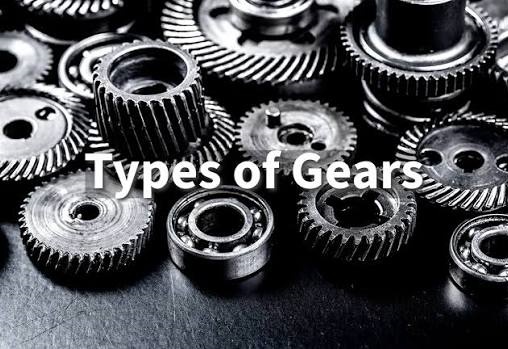
Industrial gears are vital components employed in various machinery and equipment across numerous sectors, including automotive, manufacturing, and energy. These gears serve as mechanical devices that facilitate power transfer from one shaft to another, effectively converting rotational motion and force into efficient operational energy. As a result, they are fundamental in ensuring that machinery performs optimally under several conditions and workloads.
The role of industrial gears extends into diverse applications such as conveyor systems, compressors, and gearboxes in vehicles, highlighting their significance in power transmission. By transmitting torque and controlling speed, gears enable the smooth operation of equipment, thereby enhancing productivity and reducing energy consumption. Their efficiency directly impacts overall machine reliability; thus, it is crucial to pay careful attention to their design and selection.
Material selection is a critical aspect of gear manufacturing, as it influences the mechanical properties such as strength, wear resistance, and durability. Thus, employing the appropriate raw materials according to the intended application ensures that gears can withstand various operational stresses and environmental conditions. Additionally, heat treatment processes further augment these materials' performance characteristics, providing improved hardness and toughness, which are essential when gears operate under fluctuating loads.
In the context of modern industrial applications, the performance and longevity of gears can ultimately dictate maintenance schedules, downtime, and overall operational efficiency. As mechanized industries continue to evolve, understanding the underlying principles of material selection and heat treatment for industrial gears becomes increasingly important. By focusing on these components, industries can not only improve machinery performance but also achieve higher output levels, which is crucial in today’s competitive landscape.
Overview of Common Gear Materials
In the realm of industrial gear manufacturing, the selection of materials stands as a critical factor influencing performance, longevity, and reliability. Various alloys and steels are employed, each exhibiting unique characteristics suitable for specific applications. Among them, 20CrMnTi alloy steel, 42CrMo, 45# carbon steel, and stainless steel 304/316 are frequently utilized.
20CrMnTi alloy steel is a popular choice due to its excellent hardenability and high wear resistance, making it suitable for high-load applications. This alloy typically features good ductility and toughness, which are crucial for the durability of gears under stress. However, its relatively higher cost compared to some alternatives is a factor to consider in commercial production.
Another noteworthy material is 42CrMo steel, renowned for its superior strength and toughness. It provides exceptional machinability and responds well to heat treatment processes, enhancing its mechanical properties. This steel is often selected for high-stress applications where strength is paramount, such as in heavy machinery and automotive sectors. Nonetheless, 42CrMo can be susceptible to corrosion if not properly treated.
45# carbon steel, notable for its good wear resistance and tensile strength, is often used in lower-stress gear applications. Its affordability makes it a readily accessible option, although it offers inferior corrosion resistance compared to alloy steels. Applications typically include machinery with moderate performance requirements.
Stainless steel 304 and 316 are favored in environments where corrosion resistance is crucial, such as in food processing and marine applications. Although these materials possess lower strength than their alloy counterparts, their resistance to oxidation and ease of cleaning make them valuable in specific categories of gears, ensuring hygiene and longevity under adverse conditions.
Comparative Analysis of Heat Treatment Methods
Heat treatment processes play a crucial role in enhancing the mechanical properties of industrial gears. Among the various methods available, carburizing, nitriding, and induction hardening are prominent for their specific advantages and impacts on gear performance.
Carburizing is a thermochemical surface treatment that involves the introduction of carbon into the surface of steel through diffusion. This process enhances surface hardness while maintaining a tough core, essential for gears subjected to high stress. The carburizing temperature typically ranges between 800°C to 950°C. While this method significantly improves wear resistance and fatigue life, it requires precise control to avoid distortion and dimensional changes, necessitating post-treatment processes like quenching and tempering.
Nitriding, on the other hand, is a process where nitrogen is diffused into the surface of the steel at lower temperatures, typically between 500°C to 600°C. This results in the formation of hard nitride layers. One of the main advantages of nitriding is its ability to produce a hard, wear-resistant surface without extensive distortion, making it especially suitable for gears requiring high fatigue strength. However, nitriding is slower than carburizing and may not be suitable for every material category.
Induction hardening involves heating the gear surface rapidly through electromagnetic induction and then quenching it. This method allows for localized hardening, ideal for gears that experience varied load conditions. Induction hardening is known for its ability to achieve high hardness levels while retaining core toughness. However, the initial investment in equipment can be substantial, and controlling heat treatment patterns is essential to avoid creating stress risers.
In conclusion, the choice of heat treatment method for industrial gears should consider the specific application requirements, mechanical properties desired, and cost implications. Each method has unique advantages and limitations, making it necessary to evaluate them carefully to achieve optimal gear performance.
Achieving Desired Surface Hardness and Case Depth Specifications
In the realm of industrial gear manufacturing, achieving the necessary surface hardness and case depth specifications is of paramount importance. Surface hardness, typically required to measure between HRC 55 and HRC 62, ensures that gears can withstand the heavy loads and dynamic stresses experienced during operation. A hardened surface significantly improves a gear's resistance to wear, prolonging its lifespan and maintaining its operational efficiency over time.
To achieve the targeted surface hardness, various heat treatment processes such as quenching and tempering are employed. These methods alter the microstructure of the material, increasing the hardness while preserving the toughness necessary to resist fracturing. Moreover, the case depth, or the depth of the hardened layer within the gear, plays a vital role. A sufficient case depth needs to be established, as it directly correlates with the gear's ability to endure operational stresses without failing. Generally, the specification for case depth can vary based on the gear's intended application and material properties.
Measuring surface hardness is typically performed using a Rockwell hardness tester, which evaluates the hardness by applying a specific load on a hard steel ball or cone. Case depth, however, is determined through methods such as metallographic examination, where cross-sectional samples of the material are analyzed under a microscope. This allows for a clear view of the hardened layer and can reveal the effectiveness of the heat treatment process utilized.
Understanding and meeting these critical requirements not only enhances gear performance but also reduces the likelihood of mechanical failure, ensuring operational reliability. Attention to detail in both measurement and realization of these properties is essential for manufacturers striving to produce high-quality, long-lasting gears that fulfill their design specifications and perform effectively in various industrial applications.
Core Toughness Requirements for Gear Durability
The core toughness of industrial gears plays a critical role in determining their durability and functionality under various operational conditions. Core toughness refers to a material's ability to absorb energy and deform without fracturing, which is vital for components subject to cyclic stresses. In gear applications, ensuring that core toughness is optimized is essential to prevent catastrophic failures that could arise from microstructural weaknesses.
To evaluate core toughness, several metrics are implemented, with one of the most common being the Charpy impact test. This test measures the energy absorbed by a material during fracture, providing insight into its toughness. Other tests, such as the tensile test, which assesses the material's resistance to tension, and the hardness test, which gauges resistance to deformation, are also essential in establishing a comprehensive view of a material's toughness profile. The results from these tests inform engineers on material selection specific to gear applications.
Heat treatment processes significantly influence the core toughness of gear materials. For example, processes like quenching and tempering can enhance toughness by refining the microstructure, resulting in a balance between hardness and ductility. Quenching cools materials rapidly, producing a hard microstructure, while tempering involves reheating the material to induce toughness. Alternative techniques, such as normalizing or induction hardening, also modify toughness characteristics but in varied ways, allowing for considerable customization based on the intended gear application.
As industrial gears operate under dynamic and often unpredictable loads, investing in materials with superior core toughness is not merely advisable but essential. Enhancing core toughness through precise heat treatment processes ensures that gears can withstand stress, reduce wear and tear, and significantly extend service life in demanding environments.
Impact of Material Choice on Gear Lifespan under Different Loads
The selection of materials for industrial gears is a critical factor influencing their performance and longevity, particularly in relation to the type of loads they endure. Gears encounter various loading conditions in practical applications, mainly categorized into shock loads and steady loads. Understanding how materials respond to these different conditions is essential for engineers to select the appropriate type for their specific applications.
Shock loads, characterized by sudden and high-stress concentrations, require materials with excellent toughness and impact resistance. Metals that exhibit high strength, such as alloy steels, are commonly preferred in these cases as they can withstand rapid, forceful impacts without yielding or fracturing. Conversely, steady loads apply pressure gradually over time, allowing for materials with durable wear resistance to be more suitable. For example, gears made from treated carbon steels or high-performance plastics may offer better performance under continuous loading as they provide the surface hardness needed to minimize wear.
The expected lifespan of gears significantly varies based on the materials used and the nature of the loads they encounter. For instance, gears made from hardened steel often resist fatigue better under steady loads, typically operating effectively for thousands of hours. In contrast, gears subjected to repeated shock loads may experience quicker deterioration, necessitating selections of materials that demonstrate superior shock absorption characteristics. Such gears, for instance, might integrate composite materials to improve resilience under these conditions.
Taking these factors into account, engineers can make more informed decisions regarding material selection by considering the specific loading characteristics of their applications. The adaptability of materials, their mechanical properties, and the specific operational demands will ultimately dictate the gear's performance and longevity.
Guidance on Material Selection for Specific Applications
When selecting materials for industrial gears, it is essential to evaluate the specific applications and environmental factors they will encounter. Different environments demand unique material properties to ensure optimal performance and longevity. This is especially critical in situations where gears are exposed to corrosive conditions, such as food processing and marine environments, as opposed to high-wear applications found in mining and cement operations.
In corrosive environments, materials must possess enhanced resistance to oxidation and corrosion. Stainless steels, particularly those with higher chromium and nickel content, are often favored due to their excellent corrosion resistance. Additionally, coatings and surface treatments, like nitriding or galvanizing, can further protect gears against harsh chemical exposure. It is also beneficial to consider polymer materials or specialized alloys that offer both corrosion resistance and the required mechanical properties for the specific application.
Conversely, in high-wear environments such as mining and cement, the focus shifts to wear resistance and toughness. Materials that exhibit high hardness levels, such as hardened steel or certain nickel-based alloys, can withstand the abrasive conditions typical of these industries. Proper heat treatment processes, like quenching and tempering, can enhance the material's wear characteristics. Furthermore, materials with good fatigue strength are crucial in applications that involve significant cyclic loading, ensuring the gear's reliability over time.
Ultimately, the selection of materials for industrial gears should be driven by a comprehensive understanding of the operating environment and the mechanical requirements demanded by the application. This tailored approach not only optimizes gear performance but also extends service life, thereby reducing costs associated with repairs and replacements.
Quality
Expert gear manufacturing with 20 years experience.
GET IN TOUCH
Tel:+86-571 88065675 | +86-571 88842852
E-mail:oceanindustry@vip.163.com
Fax:+86-571 88844378
Address:4th Floor, Block 2, Qianjiang Century Industrial Park, 2327 Hongning Road,Ningwei Town,Hangzhou, China
© 2005. All rights reserved.