
Comprehensive Guide to Industrial Gearboxes and Precision Gears for Heavy-Duty Power Transmission
Understanding Industrial Gears: Types and Functions
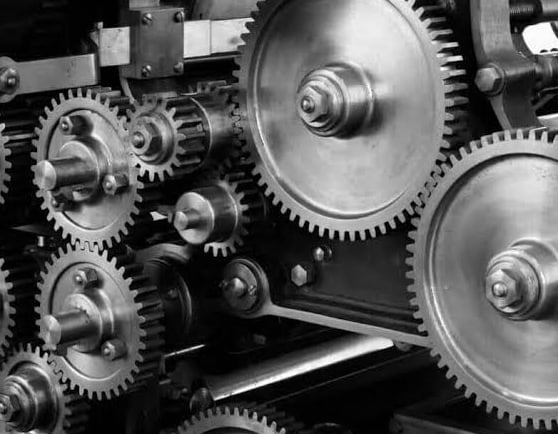
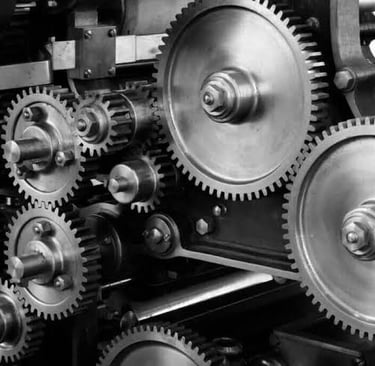
Industrial gears play a crucial role in the mechanics of heavy-duty power transmission systems. These mechanical components help convert speed and torque, enabling machinery to perform efficiently. Among the various types of industrial gears, spur, helical, bevel, planetary, and worm gears are most commonly used, each serving unique functions based on the application requirements.
Spur Gears are the simplest type, characterized by their straight teeth that are parallel to the gear's rotation axis. They are predominantly utilized in applications requiring high-speed operations and are efficient for transferring power between parallel shafts. Their simplicity allows for easy operation, but they can generate noise and vibration at high speeds.
Helical Gears, in contrast, have teeth that are cut at an angle to the shaft, which allows for smoother engagement and reduced noise. This type of gear is suitable for applications that involve heavy loads, as their design distributes stress over a larger surface area, enhancing durability.
Bevel Gears are designed to transmit power between shafts that are at an angle to each other, typically 90 degrees. Their conical shape allows for significant efficiency in changing the direction of rotation. Applications for bevel gears are common in drive systems where components are aligned at an angle.
Planetary Gears, unlike traditional gears, consist of a sun gear at the center, surrounded by planet gears that rotate within a ring gear. This configuration allows for high torque output in a compact design, making planetary gears suitable for heavy-duty applications where space is at a premium.
Lastly, Worm Gears operate by having a worm screw mesh with a worm gear, allowing for substantial gear reduction and torque conversion capabilities. They are particularly effective in applications requiring high reduction ratios and are known for their ability to prevent back-driving, making them ideal for lifting devices.
Each type of industrial gear has distinct advantages, making them essential components in selecting appropriate machinery for specific tasks. Understanding these gears and their functions helps engineers and designers optimize mechanical systems for superior performance and reliability.
Key Applications of Industrial Gearboxes
Industrial gearboxes are essential components that facilitate efficient power transmission across various heavy-duty applications. One of the primary sectors where these gearboxes are extensively utilized is in conveyor systems. Conveyor systems serve crucial functions in transporting materials and products within manufacturing and distribution facilities. Power transmission through gearboxes in these systems ensures that materials are moved uniformly, enhancing the operational efficiency of production lines. For instance, a case study involving an automotive manufacturing plant showed that the incorporation of high-efficiency gearboxes reduced operational downtime during transport processes, significantly boosting overall productivity.
Another significant application of industrial gearboxes is within agricultural machinery. Agricultural equipment often requires robust and reliable power transmission to perform functions such as tilling, planting, and harvesting. Gearboxes enhance the performance of these machines by providing the necessary torque and speed required to operate effectively under challenging conditions. An example can be seen in modern tractors, where advanced gearbox designs optimize power delivery from the engine to mechanical implements, resulting in higher fuel efficiency and reduced wear on components, which ultimately contributes to lower maintenance costs for farmers.
Additionally, industrial gearboxes are critical in manufacturing lines where they contribute to precision in operations. In assembly line settings, gearboxes are responsible for synchronizing the movement of machinery and tools, ensuring that every component operates smoothly and accurately. An illustrative case is seen in the electronics manufacturing industry, where precision gearboxes enable the automation of assembly processes, improving product consistency and quality. This results in decreased labor costs and minimized operational errors, reinforcing the importance of reliable gear systems in today's competitive market.
Material Selection for Industrial Gears
Selecting the appropriate materials for industrial gears is a crucial aspect of designing effective and reliable gear systems used in heavy-duty power transmission. Among the various materials available, alloy steel and case-hardened steels have emerged as the front-runners due to their exceptional strength and durability. These materials not only provide increased resistance to wear and fatigue but also ensure longevity in demanding applications.
Alloy steel, which is infused with alloying elements such as chromium, nickel, and molybdenum, exhibits superior mechanical properties compared to standard carbon steel. This enhanced structural integrity allows gears made from alloy steel to handle higher loads and resist deformities under stress. Furthermore, the presence of these alloying elements aids in achieving higher hardness levels while maintaining ductility, which is essential for absorbing shocks and impacts typical in heavy-duty operations.
Case-hardened materials present another vital alternative for gears, especially when surface hardness is a requirement. Case hardening is a heat treatment process that hardens the surface of the steel while keeping the core tough and ductile. This dual-property approach ensures that industrial gears endure wear from constant friction and contact with other components while maintaining a tough inner structure that can withstand dynamic forces. As a result, case-hardened gears provide an extended operating life and improved performance in applications subjected to heavy loads.
Moreover, the environmental and operational conditions should also influence material selection. Factors such as exposure to corrosive substances, temperature fluctuations, and moisture can impede the performance of gears if inappropriate materials are chosen. The inherent properties of alloy steel and case-hardened materials make them highly suitable candidates for various industrial environments, confirming their effectiveness in sustaining gear functionality.
Heat Treatment Processes in Gear Manufacturing
Heat treatment plays a crucial role in the manufacturing of industrial gears, significantly impacting their mechanical properties, including strength, toughness, and wear resistance. Various heat treatment processes, such as hardening, tempering, annealing, and case hardening, are employed to enhance the performance of gears for heavy-duty applications.
Hardening is one of the most important processes where gears are heated to a high temperature and then rapidly cooled, typically using water or oil. This process transforms the microstructure of the steel, leading to increased hardness. Consequently, hardened gears exhibit improved resistance to wear and fatigue, which is essential in environments with high loads and stress.
Tempering follows hardening and involves reheating the hardened gears to a lower temperature, maintaining this for a specific period before allowing them to cool again. This process reduces brittleness while retaining the hardness developed during the hardening process. By controlling the tempering temperature and duration, manufacturers can tailor the mechanical properties of the gears to meet specific requirements.
Additionally, annealing is utilized to soften gears by heating them to a specified temperature and then allowing them to cool slowly. This process improves machinability, which can be beneficial during the manufacturing stages of complex gear designs. On the other hand, case hardening involves the creation of a hard outer layer while maintaining a softer inner core, resulting in gears that are both tough and wear-resistant. This is particularly effective in gears that experience high surface friction and wear during operation.
In conclusion, the application of various heat treatment processes in gear manufacturing is fundamental to achieving optimal gear performance. By enhancing the mechanical properties of gears, these processes ensure reliability and longevity in demanding industrial applications, ultimately contributing to enhanced power transmission efficiency.
Selecting the Right Gearbox for Torque and Speed Requirements
Choosing an appropriate gearbox is a critical step in achieving optimal performance in applications that require specific torque and speed characteristics. The selection process must account for various factors, notably gear ratio, load characteristics, and the operational environment. Understanding these components will facilitate an effective gearbox matching process that meets specific application needs.
The gear ratio plays a pivotal role in determining the relationship between the input speed and the output torque. A correct gear ratio ensures that the gearbox can deliver the desired rotational speed while transmitting adequate torque. For instance, a higher gear ratio produces higher torque at the expense of speed, making it suitable for heavy-duty applications. Conversely, a lower gear ratio will yield higher speeds but lower torque outputs. It becomes essential to analyze the required performance characteristics to establish the right balance between torque and speed.
In addition to gear ratio, load characteristics significantly influence gearbox selection. The anticipated load types, including static, dynamic, and shock loads, should be examined to ensure that the gearbox can handle the specific demands of the application. Understanding the load range and its patterns enables the selection of a gearbox that can operate efficiently under various conditions without compromising reliability. Furthermore, considering the continuous duty cycles and potential overload situations is crucial to avoid premature wear or failure.
The operational environment is another vital consideration when selecting a gearbox. Factors such as temperature fluctuations, humidity levels, and exposure to corrosive elements can impact gearbox performance. Select gearboxes made from materials that resist wear and corrosion to guarantee longevity in harsh environments. Additionally, implementing proper lubrication and maintenance practices can enhance the gearbox's operational life and efficiency.
Ultimately, selecting the right gearbox for torque and speed requirements entails a comprehensive assessment of the application's demands and the weight placed on each of the discussed factors. By carefully evaluating gear ratios, load characteristics, and environmental considerations, users can ensure optimal performance and reliability in their power transmission systems.
High-Precision Automation with Rotary Vector (RV) Reducers
Rotary Vector (RV) reducers play a crucial role in high-precision automation applications, particularly in environments where accuracy and repeatability are paramount. These sophisticated mechanical devices facilitate the conversion of high-speed input into controlled, reduced-speed output without compromising torque. As a result, RV reducers have become vital components in various industrial automation sectors, ranging from robotics to CNC machinery.
One of the key advantages of RV reducers is their ability to significantly enhance positioning accuracy. In high-precision tasks, such as robotic arm movement or CNC machining, even the slightest deviation can result in costly errors. The design of RV reducers allows them to achieve high gear ratios while maintaining minimal backlash, which directly translates into improved positioning precision. When integrated into automated systems, they ensure that every movement is executed with exceptional fidelity.
Furthermore, RV reducers provide excellent repeatability, which is essential in applications that require consistent output over extended periods. The repeatability of these reducers helps in maintaining quality control across production lines, ensuring that each product meets the required specifications. This consistency is critical in industries such as aerospace and automotive manufacturing, where precision is not only a preference but often a regulatory requirement.
Torque handling is another significant aspect of RV reducers that makes them indispensable in high-demand scenarios. These reducers can manage high torque loads while protecting the motor from overload conditions, thereby enhancing overall machinery reliability. This capability is particularly beneficial in heavy-duty applications where traditional gear systems may fail to perform adequately under pressure. The robust design of RV reducers allows them to withstand significant stress and strain while maintaining optimal performance.
In essence, the integration of Rotary Vector reducers into high-precision automation systems enhances productivity and efficacy across various sectors by providing unparalleled accuracy, repeatability, and torque management in sophisticated machinery.
Industry Expertise and Custom OEM/ODM Capabilities
With over 20 years of experience in the industrial gearbox and precision gear manufacturing sector, we have established ourselves as a trusted source for high-quality power transmission solutions. Our long-standing history in the industry not only showcases our ability to meet various operational demands but also reflects our commitment to continuous improvement and innovation. This extensive experience enables us to provide insights and guidance tailored to the specific requirements of mechanical engineers, procurement managers, and OEM buyers in North America and Europe.
We understand that every project carries its unique challenges, and that is where our custom Original Equipment Manufacturer (OEM) and Original Design Manufacturer (ODM) capabilities come into play. Our ISO-certified facilities ensure that our products adhere to the highest quality standards, allowing us to deliver solutions that perform under the most demanding conditions. The rigorous certification process guarantees excellence in our manufacturing processes, which is crucial for our partners who depend on reliable performance and durability.
The significance of partnering with a reputable manufacturer cannot be overstated. In a competitive market, having access to expert resources can facilitate better functionality and efficiency in your machinery. Our customization options ensure that we can accommodate varied specifications, providing solutions that align closely with your operational needs. By collaborating with us, customers gain access to technical support and design expertise that streamline production and enhance the overall effectiveness of their applications.
In conclusion, our two decades of industry expertise, combined with ISO certification and adept custom manufacturing capabilities, position us uniquely to support clients in achieving their objectives. Whether you are looking to optimize existing systems or develop new designs, our commitment to innovation ensures that we meet your needs effectively and efficiently.
Quality
Expert gear manufacturing with 20 years experience.
GET IN TOUCH
Tel:+86-571 88065675 | +86-571 88842852
E-mail:oceanindustry@vip.163.com
Fax:+86-571 88844378
Address:4th Floor, Block 2, Qianjiang Century Industrial Park, 2327 Hongning Road,Ningwei Town,Hangzhou, China
© 2005. All rights reserved.