
The Ultimate Guide to Sourcing High-Quality Spur Gears for Industrial Applications
Understanding Spur Gears and Their Importance in Industrial Applications
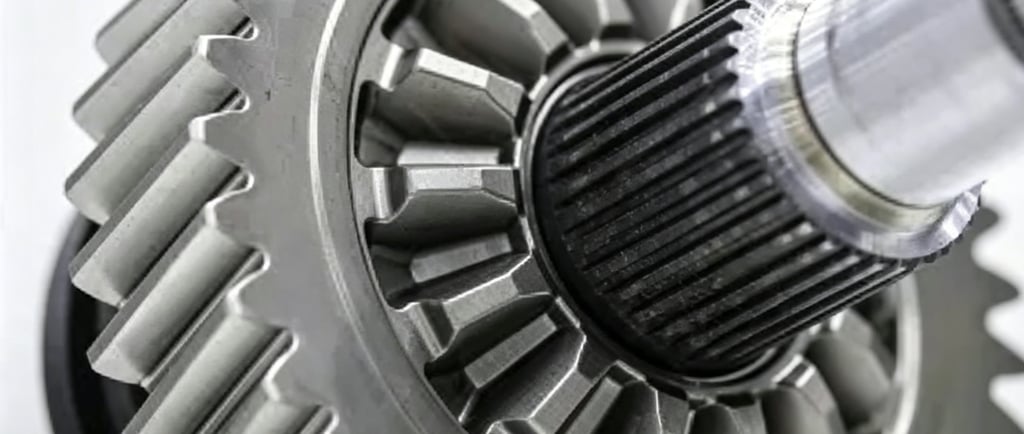
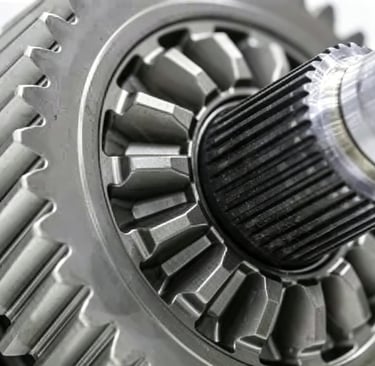
Spur gears are a type of cylindrical gear characterized by their straight, parallel teeth, which are designed to mesh together efficiently. These gears are primarily utilized in mechanical systems to transmit torque and rotational motion between two or more shafts, playing a pivotal role in various industrial applications. By enabling effective power transmission, spur gears contribute significantly to the smooth operation of machinery and equipment.
The primary function of spur gears is to reduce or increase the speed of an output shaft relative to the input shaft. This is achieved through precise design, with gear ratios carefully calculated to meet specific operational requirements. High-quality spur gears are essential for ensuring reliability, as they minimize friction and wear, which can lead to mechanical failures and costly downtime. In scenarios where precision and durability are vital, the selection of superior gears becomes even more critical.
Spur gears find extensive applications across various industries, including manufacturing, automotive, and aerospace. In manufacturing, they are used in conveyor systems, rotary tables, and tool machines, contributing to enhanced production efficiency. In the automotive sector, spur gears help in power transfer between the engine and wheels, ensuring optimal vehicle performance. Aerospace applications also utilize spur gears for precise control in flight systems where reliability is non-negotiable.
The importance of sourcing high-quality spur gears cannot be overstated. Subpar gears may compromise mechanical integrity, resulting in inefficient power transmission and heightened wear and tear on machinery. Hence, understanding the role and significance of spur gears is imperative for industries striving for operational excellence and longevity in their equipment. Quality in sourcing gears directly correlates with enhanced performance, reliability, and efficiency in industrial operations.
Key Factors to Verify When Purchasing Spur Gears
When sourcing spur gears for industrial applications, it is imperative to consider several crucial factors to ensure quality and performance. One of the foremost aspects is the material quality. Spur gears are commonly fabricated from materials such as carbon steel, alloy steel, and stainless steel. Carbon steel is typically used for its balance between strength and cost, while alloy steel provides enhanced hardness and toughness, making it suitable for demanding applications. Stainless steel, known for its corrosion resistance, is often selected for environments exposed to moisture or chemicals.
Next, understanding the manufacturing process is essential. Spur gears may be produced through several techniques, including hobbing, shaping, and grinding. Hobbing is a widely used method for bulk production due to its efficiency, while shaping might be advantageous for specific designs that require precision. Grinding, on the other hand, can significantly enhance the surface finish and accuracy of the gear, thus contributing to improved performance and longevity.
Another critical consideration is the precision grade of the spur gears. Different standards such as ISO, AGMA, and DIN provide guidelines on the acceptable tolerances and accuracy of the gears. Familiarizing oneself with these precision grades can help buyers select gears that meet the specific requirements of their applications. For instance, gears that adhere to AGMA standards may offer superior operational performance in high-speed applications compared to those that do not.
Lastly, evaluating the heat treatment methods employed in the manufacturing process is vital. Techniques like quenching, tempering, and carburizing enhance the hardness and wear resistance of spur gears. These processes contribute significantly to the longevity and performance of the gears under stress. It is advisable for buyers to inquire about the heat treatment processes applied to the gears, ensuring they align with their operational demands.
Critical Specifications to Confirm with Suppliers
When sourcing high-quality spur gears for industrial applications, buyers must carefully consider several critical specifications with their suppliers to ensure optimal performance and compatibility. These specifications encompass various technical parameters, including the module, number of teeth, pressure angle, face width, bore tolerance, and surface finish. Understanding each of these factors is essential for selecting the right spur gear for specific applications.
The module refers to the ratio of the pitch diameter to the number of teeth, and it is a fundamental parameter in gear design. It directly affects the size and spacing of the teeth, thus playing a crucial role in the gear's strength and load capacity. A correctly chosen module ensures that the spur gears mesh smoothly, minimizing wear and optimizing efficiency.
The number of teeth influences the gear's torque transmission and speed. A higher tooth count generally facilitates smoother operation and enhances load distribution, while also affecting the gear's diameter and overall size. As such, buyers must confirm that the number of teeth aligns with both performance goals and spatial restrictions in the application.
Pressure angle is another significant factor, determining the shape of the gear teeth and the gear's ability to handle load. Common pressure angles such as 20 degrees or 14.5 degrees may yield different performance characteristics, including noise level and strength under load.
Face width, or the thickness of the gear, is crucial for distributing forces and minimizing stress concentration on the teeth. A face width that is too narrow can lead to gear failure under high loads, while an excessively wide gear may lead to unnecessary weight and material usage.
Bore tolerance is a specification that relates to the precision of the hole at the center of the gear, which impacts how it fits onto the shaft. Proper bore tolerance ensures an accurate fit and optimal performance, reducing the risk of misalignment and wear.
Lastly, the surface finish of the spur gear significantly impacts its wear resistance and operating life. A smooth finish reduces friction and enhances the gear’s ability to handle loads efficiently. Buyers should verify that the surface finish meets the application’s requirements to avoid premature wear and performance issues.
Common Pitfalls in Spur Gear Sourcing and How to Avoid Them
Sourcing high-quality spur gears is critical for ensuring the efficiency and longevity of industrial applications. However, buyers often encounter various pitfalls that can lead to subpar gear selection and subsequently affect overall performance. One common mistake is ignoring the specific load requirements of the application. Each spur gear is designed to withstand different loads, and failing to match the gear to the operational demands can result in premature failure and costly downtimes.
Another frequent oversight is the negligence of precision tolerances. Spur gears must be manufactured within specific tolerances to function effectively. If tolerances are overlooked, the gears may not mesh correctly, leading to increased wear and noise, which can significantly reduce operational efficiency. It is essential that buyers ensure their chosen spur gears adhere to the required specifications to avoid these issues.
Opting for low-cost solutions might seem economical, but it often compromises quality. Cheap gears typically use inferior materials and production processes, which might save money upfront but can lead to greater expenses down the line due to replacements or repairs. Buyers should invest in high-quality spur gears from reputable manufacturers to ensure robust performance and reliability.
To navigate these pitfalls, a thorough vetting process is crucial. Buyers should assess supplier capabilities, check references, and evaluate product documentation. Engaging with industry experts and maintaining an informed decision-making process will result in better gear selection. Prioritizing quality, tolerances, and load requirements not only improves machinery performance but also enhances the safety and efficiency of industrial operations in the long term.
Quality Assurance and Testing Standards for Spur Gear Manufacturers
In the manufacturing of spur gears, adherence to rigorous quality assurance processes and standardized testing methods is essential for obtaining high-quality components. Reputable spur gear manufacturers typically implement various protocols to ensure that the gears they produce meet the required specifications and performance standards. One of the most crucial aspects is obtaining the necessary ISO certifications that demonstrate compliance with international quality norms.
ISO 9001, which focuses on quality management systems, is a common certification for manufacturers in the gear industry. It ensures a consistent quality of products and services. Manufacturers adhering to this certification are more likely to implement systematic processes for quality control throughout the production cycle. Additionally, ISO/TS 16949 is specific for automotive industries, further emphasizing the need for quality in manufacturing gear for critical applications.
Besides certifications, manufacturers perform dimensional inspections as part of their quality assurance process. This involves measuring the critical dimensions of spur gears, such as tooth profiles, pitch diameters, and backlash. Uniformity in these dimensions is vital, as inconsistencies can lead to gear failure or performance issues in industrial applications.
Moreover, testing the material properties of spur gears is crucial to ensure durability and operational efficiency. This can include hardness tests, tensile strength analysis, and fatigue assessments. Finally, performance testing methods like load testing and operational simulations provide insights into how the gears will behave under actual operating conditions.
In summary, partnering with manufacturers who prioritize quality assurance and adhere to recognized testing standards is paramount for businesses relying on spur gears. This commitment not only ensures product reliability but also fosters trust in the manufacturing process, ultimately leading to enhanced operational efficiency in diverse industrial applications.
Partnering with a Supplier: Custom Spur Gears from Hangzhou Ocean Industry Co., Ltd.
When it comes to sourcing high-quality spur gears for industrial applications, establishing a strong partnership with a dedicated supplier like Hangzhou Ocean Industry Co., Ltd. can significantly enhance your operations. One of the primary advantages of working with a specialized gear supplier is the ability to obtain custom spur gears that are designed specifically to meet your unique requirements. This level of customization allows businesses to tailor gears in terms of dimensions, materials, and manufacturing techniques, ensuring compatibility with their specific applications.
Flexibility in design is a crucial aspect of custom spur gear development. By leveraging the expertise of providers such as Hangzhou Ocean Industry Co., Ltd., companies can address specific challenges posed by their machinery or operational environments. Whether it is using advanced materials for better wear resistance or altering gear profiles for improved efficiency, tailored solutions can lead to enhanced performance and reliability.
Another significant benefit of sourcing from a reputable spur gear supplier is the choice of materials. With access to an extensive range of materials, it is possible to select the most appropriate type based on factors such as load-bearing capacity, environmental conditions, and cost-effectiveness. This choice plays a critical role in extending the lifespan of gears and optimizing the overall efficiency of machinery.
Furthermore, collaboration and communication with a supplier are indispensable elements in achieving the desired outcomes. By engaging in discussions about specific requirements and production capabilities, companies can ensure that the final products meet the highest standards of quality and performance. Such partnerships foster transparency and a better understanding of the manufacturing process, which is essential in refining the end product.
Making Informed, Cost-Effective Sourcing Decisions in Spur Gear Procurement
Sourcing high-quality spur gears is a critical process that requires careful consideration of multiple factors to ensure economic efficiency and operational effectiveness. To make informed procurement decisions, buyers should start by thoroughly evaluating the specifications of the spur gears required for their specific applications. This involves understanding the mechanical requirements, material characteristics, and load capacities, all of which can impact the performance and lifespan of the gears.
Next, it is paramount to establish partnerships with reputable suppliers. A reliable supplier not only guarantees product quality but also provides valuable insights into the gear manufacturing process. Relationships with suppliers should be nurtured through open communication and collaboration. This partnership allows buyers to share their requirements explicitly and negotiate terms that are mutually beneficial. Furthermore, many suppliers offer design assistance or customization, which can significantly enhance the performance of the geared systems.
Overcoming common pitfalls is another essential aspect of successful spur gear procurement. Buyers often fall prey to choosing suppliers based solely on cost rather than quality. This practice can lead to hidden expenses down the line, such as increased maintenance costs or premature failures. Additionally, understanding the total cost of ownership, which includes initial purchase price, maintenance, and replacement costs, enables buyers to make wiser decisions.
Another best practice is to conduct regular reviews of sourcing strategies and performance metrics. By analyzing procurement outcomes and supplier reliability, businesses can identify areas for improvement and adapt their sourcing strategies accordingly. Implementing these tactics not only enhances procurement processes but also contributes to greater operational efficiency, ensuring that the spur gears utilized can meet the demands of industrial applications consistently.
Quality
Expert gear manufacturing with 20 years experience.
GET IN TOUCH
Tel:+86-571 88065675 | +86-571 88842852
E-mail:oceanindustry@vip.163.com
Fax:+86-571 88844378
Address:4th Floor, Block 2, Qianjiang Century Industrial Park, 2327 Hongning Road,Ningwei Town,Hangzhou, China
© 2005. All rights reserved.