
A Technical Comparison of Spur Gears and Helical Gears
Understanding Spur and Helical Gears
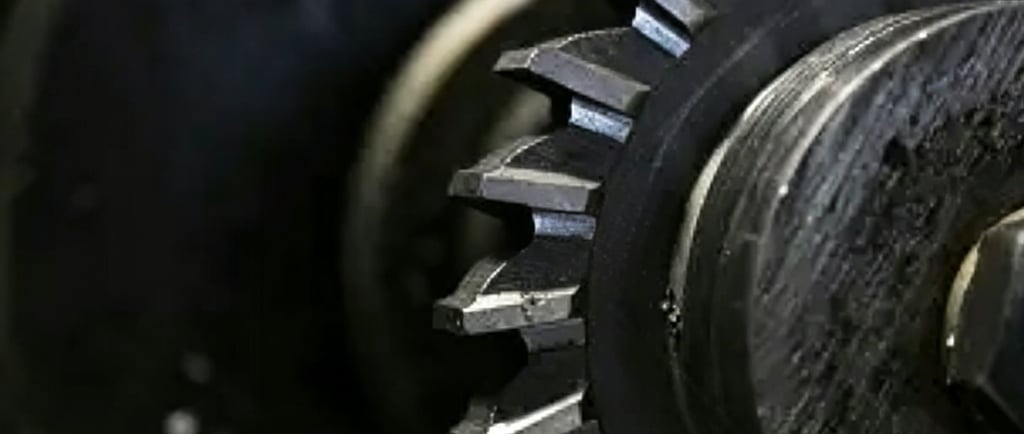
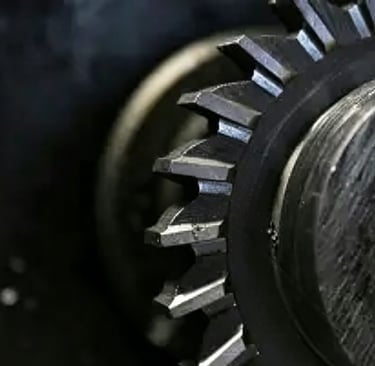
Spur gears and helical gears serve as foundational components in many industrial applications, each exhibiting unique characteristics pertinent to their design and operation. While spur gears feature straight teeth aligned parallel to the gear's axis, helical gears possess teeth set at an angle, providing distinct performance advantages. This article delves into the core working principles, structural differences, and diverse applications of both gear types.
Key Performance Metrics: A Comparative Analysis
When evaluating spur gears and helical gears, several critical performance metrics warrant comparison:
- Load Capacity: Helical gears typically exhibit higher load capacity due to their angled teeth, which allow for a gradual engagement, distributing force more evenly across the tooth surface.
- Transmission Efficiency: Both gear types offer high efficiency, but helical gears tend to have slightly less friction during operation, affecting their overall efficiency positively.
- Noise and Vibration: One of the most marked distinctions comes in the area of noise and vibration; helical gears operate much quieter than spur gears, making them ideal for environments where noise reduction is paramount.
- Axial Thrust: Helical gears generate axial thrust due to their design. Engineers must account for this when designing systems to mitigate the force transmitted along the axial direction.
- Speed Range: Spur gears excel in low-speed applications, whereas helical gears are better suited for higher speeds and heavier loads.
- Manufacturing Complexity: Spur gears are simpler to manufacture, which can make them a cost-effective choice for standard applications.
Choosing the Right Gear Type for Your Application
Determining when to use spur gears versus helical gears comes down to application-specific requirements. For low-speed, low-cost, and simple mechanisms, spur gears are often favored due to their straightforward design and manufacturing ease. Conversely, for applications demanding high-speed operation, heavy load handling, and reduced noise, helical gears are clearly preferable.
Common industrial applications for spur gears include conveyors, elevators, and various machinery where space constraints allow for straightforward gear arrangements. Helical gears thrive in automotive transmissions, manufacturing equipment, and scenarios that require enhanced noise control.
However, engineers sometimes confuse spur gears and helical gears based on similar operational needs. It's essential to assess the primary requirements of the application before making a decision.
Practical Design Tips for Engineers
When designing systems involving helical gears, addressing the axial thrust issue is vital. Engineers can mitigate this issue through the use of thrust bearings to accommodate the axial loads generated. Additionally, selecting robust material for gearing can enhance durability and performance longevity.
For industries seeking high-precision components, Hangzhou Ocean Industry Co., Ltd. emerges as a prominent manufacturer that can deliver both high-precision spur gears and helical gears tailored to meet distinct industrial needs. Leveraging advanced manufacturing techniques, they ensure top-notch quality and performance across various applications.
In conclusion, understanding the intricacies of spur and helical gears will empower engineers to make informed decisions, optimizing performance and efficiency suited to the specific demands of their industrial applications.
Quality
Expert gear manufacturing with 20 years experience.
GET IN TOUCH
Tel:+86-571 88065675 | +86-571 88842852
E-mail:oceanindustry@vip.163.com
Fax:+86-571 88844378
Address:4th Floor, Block 2, Qianjiang Century Industrial Park, 2327 Hongning Road,Ningwei Town,Hangzhou, China
© 2005. All rights reserved.