
Understanding Gear Accuracy Grades: ISO and AGMA Standards Explained
Introduction to Gear Accuracy
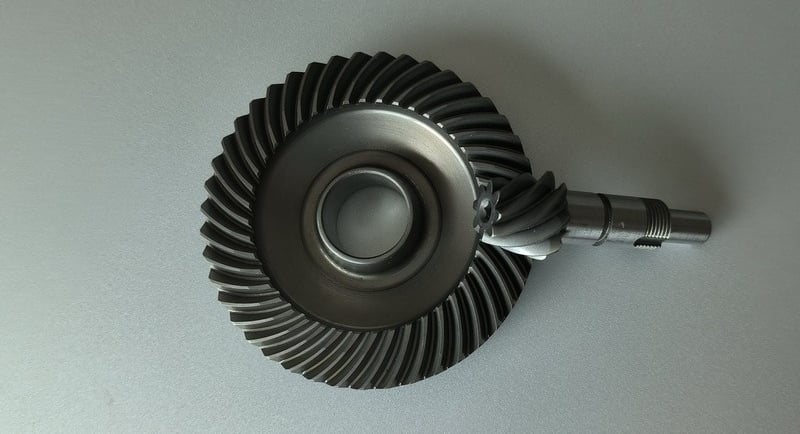
Gear precision is a critical factor in ensuring effective transmission performance across various machinery applications. Defined by international standards such as ISO (International Organization for Standardization) and AGMA (American Gear Manufacturers Association), gear accuracy grades provide a classification system for evaluating the quality and precision level of gears. This blog will explore what gear precision means, its significance in transmission performance, and how to select the appropriate accuracy grade for your specific application.
The Importance of Gear Precision
The precision of gears directly influences various performance metrics in mechanical systems, including transmission efficiency, noise levels, and overall service life. High-precision gears ensure smoother operation and reduce the risk of wear and tear. This is especially important in high-speed machinery, where even minor deviations in accuracy can lead to significant issues like excessive vibration, noise, and losses in energy efficiency.
Conversely, gears used in heavy-duty applications may prioritize durability and load-bearing capabilities over precision. Such applications might not necessitate the stringent requirements of high-speed machinery, allowing for a more forgiving gear accuracy grade while still maintaining performance integrity.
Selecting the Right Accuracy Grade
When choosing the appropriate gear accuracy grade based on application requirements, it is essential to consider both the functional demands of the system and the operating environment. For instance, high-speed applications generally benefit from higher precision gears, often rated Grade 6 or better according to AGMA standards. These grades minimize backlash and enhance operational smoothness.
On the other hand, heavy-duty equipment might be more suited to lower accuracy grades, such as Grade 10 or 12. These grades are designed to handle larger loads with less emphasis on precision, making them ideal for harsh conditions often encountered in industrial settings.
In conclusion, understanding gear accuracy grades as defined by ISO and AGMA standards is vital for optimizing the performance of your machinery. By selecting the correct gear precision based on your specific application requirements, you can improve transmission efficiency, reduce noise, and increase service life, ultimately ensuring your machinery operates effectively.
Quality
Expert gear manufacturing with 20 years experience.
GET IN TOUCH
Tel:+86-571 88065675 | +86-571 88842852
E-mail:oceanindustry@vip.163.com
Fax:+86-571 88844378
Address:4th Floor, Block 2, Qianjiang Century Industrial Park, 2327 Hongning Road,Ningwei Town,Hangzhou, China
© 2005. All rights reserved.