
Comparing Gear Materials: Carbon Steel, Alloy Steel, and Stainless Steel
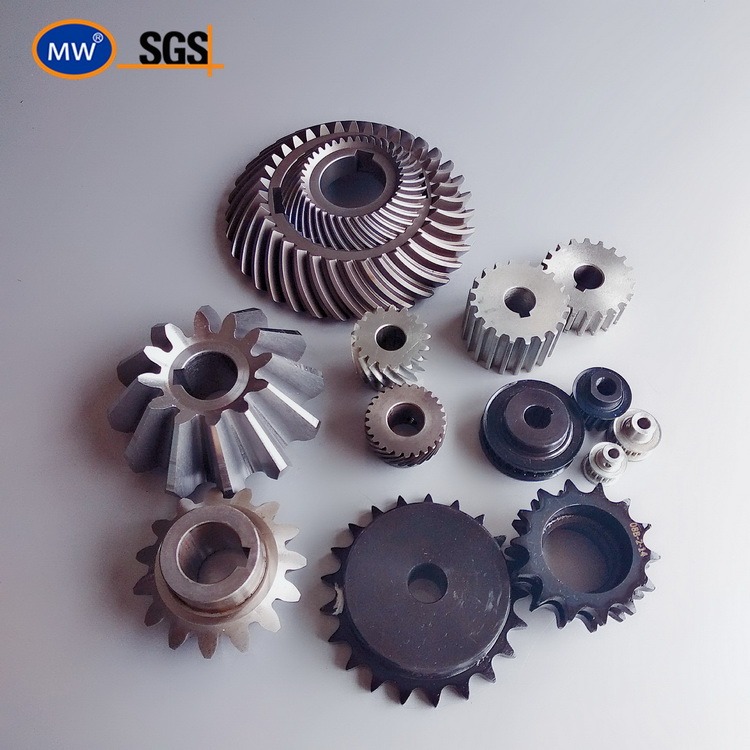
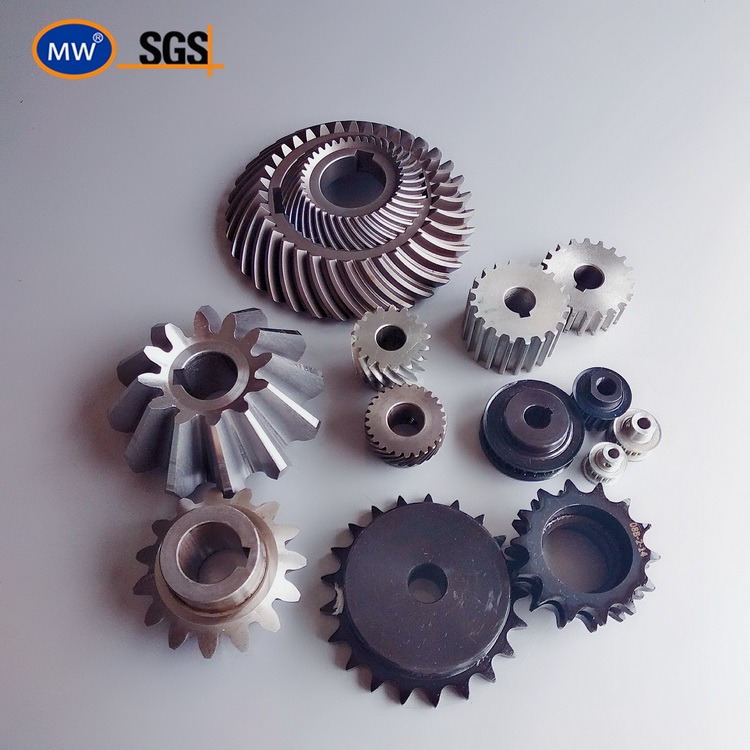
Introduction to Gear Materials
When it comes to selecting materials for gears used in various industrial applications, carbon steel, alloy steel, and stainless steel are three common choices. Each of these materials possesses unique mechanical properties that influence their wear resistance, corrosion resistance, and suitability for specific environments. This article aims to provide a comparative analysis of these materials, assisting industrial buyers in making informed decisions based on their working conditions.
Mechanical Properties and Wear Resistance
Carbon steel is known for its excellent hardness and strength, making it a favorable option for high-load applications. It demonstrates good wear resistance, particularly when tempered correctly, allowing gears to endure heavy stresses. However, it may become brittle if not treated properly.
Alloy steel, on the other hand, incorporates additional elements like chromium, molybdenum, and nickel, enhancing its mechanical properties. This results in superior strength, toughness, and wear resistance compared to carbon steel. Alloy steels can be specifically formulated to optimize performance for gear applications subject to dynamic loading.
Stainless steel offers moderate strength and wear resistance but excels in corrosion resistance, making it suitable for environments susceptible to moisture and fluids. This material, while not as wear-resistant as carbon or alloy steel, generally requires lower maintenance due to its resistance to rust and staining.
Corrosion Resistance and Suitability for Various Environments
One of the most significant factors in material selection is corrosion resistance. Stainless steel outperforms its counterparts significantly in this category, making it ideal for industries such as food processing and pharmaceuticals where hygiene is crucial. Its ability to withstand corrosive substances while maintaining integrity is unmatched.
Carbon steel and alloy steel, while strong, are susceptible to rust without proper coatings or treatments. For environments that experience high humidity or exposure to corrosive materials, these steels require additional measures such as galvanization or painting to prolong their lifespan.
In terms of working environments, carbon steel is more suitable for static applications involving heavy loads, while alloy steel excels in dynamic applications that require shock resistance. Conversely, for high-temperature applications, alloy steel can be designed to retain strength under extreme conditions. In stark contrast, stainless steel is preferred in food hygiene environments because of its cleanliness and easy maintenance.
Practical Selection Tips for Industrial Buyers
When deciding between carbon steel, alloy steel, and stainless steel for gears, industrial buyers should consider the specific application demands. For high-load applications where cost is a factor, carbon steel can be a practical choice. For applications in need of enhanced wear resistance and fatigue strength, alloy steel stands out.
In scenarios where corrosion is a concern, such as coastal regions or food-processing settings, stainless steel is universally recommended despite its higher cost. Ultimately, understanding the specific mechanical properties and environmental factors will facilitate the selection of the most suitable gear material for any industrial requirements.
Quality
Expert gear manufacturing with 20 years experience.
GET IN TOUCH
Tel:+86-571 88065675 | +86-571 88842852
E-mail:oceanindustry@vip.163.com
Fax:+86-571 88844378
Address:4th Floor, Block 2, Qianjiang Century Industrial Park, 2327 Hongning Road,Ningwei Town,Hangzhou, China
© 2005. All rights reserved.