
A Comprehensive Guide to Selecting Gear Modules for Industrial Applications
Understanding Gear Modules
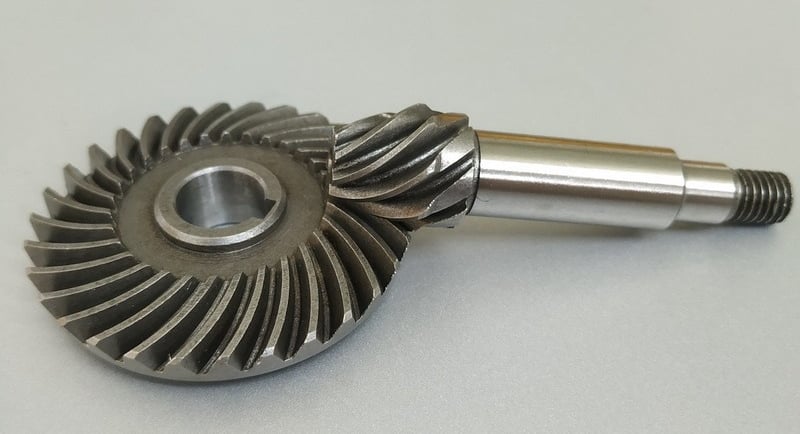
A gear module is a key parameter when designing gear systems in industrial applications. It essentially defines the size of the gear tooth and plays a critical role in determining the overall performance of a gearing system. The gear module is mathematically defined as the ratio of the pitch diameter of the gear to the number of teeth. Consequently, a larger module indicates larger teeth, which can contribute to improved load capacity and strength.
Relation Between Gear Module, Tooth Size, and Load Capacity
The gear module is directly related to tooth size, with larger modules resulting in larger teeth. This increase in tooth size enhances the load-bearing capabilities of the gear, permitting it to accommodate heavier loads. Moreover, using a gear module that is too small for specific applications may lead to premature wear, increased failure rates, and ultimately operational inefficiency. Therefore, selecting the right gear module is crucial to ensure that the drive system maintains its integrity under varying loads.
Step-by-Step Calculation Methods
Selecting the appropriate gear module involves a systematic approach. Start by determining the load requirements of your application, which includes both the static and dynamic forces acting on the gear system. Next, assign the number of teeth and calculate the pitch diameter using the formula:
Pitch Diameter (d) = Module (m) × Number of Teeth (z)
To derive the module from the desired dimensions, rearranging the above equation provides:
Module (m) = Pitch Diameter (d) / Number of Teeth (z)
Once the module is established, analyze the torques and the anticipated loading conditions. This allows you to validate the suitability of the gear selection against maximum load capacities and operational strength standards.
Common Mistakes to Avoid
Choosing the correct gear module can be fraught with pitfalls. One of the most frequent errors is underestimating the load requirements, leading to the selection of a module that may not support sufficient strength. Additionally, it is essential to avoid generic assumptions about module sizes without considering specific application needs and context. Furthermore, neglecting the compatibility of the gear module with other transmission components can cause misalignment and efficiency losses. Finally, failing to review the material properties of the gear can result in inadequate performance, especially under demanding conditions.
By adhering to a comprehensive selection process and avoiding these common mistakes, you can optimize gear module selection for your industrial applications, ensuring reliability and efficiency in your transmission systems.
Quality
Expert gear manufacturing with 20 years experience.
GET IN TOUCH
Tel:+86-571 88065675 | +86-571 88842852
E-mail:oceanindustry@vip.163.com
Fax:+86-571 88844378
Address:4th Floor, Block 2, Qianjiang Century Industrial Park, 2327 Hongning Road,Ningwei Town,Hangzhou, China
© 2005. All rights reserved.